
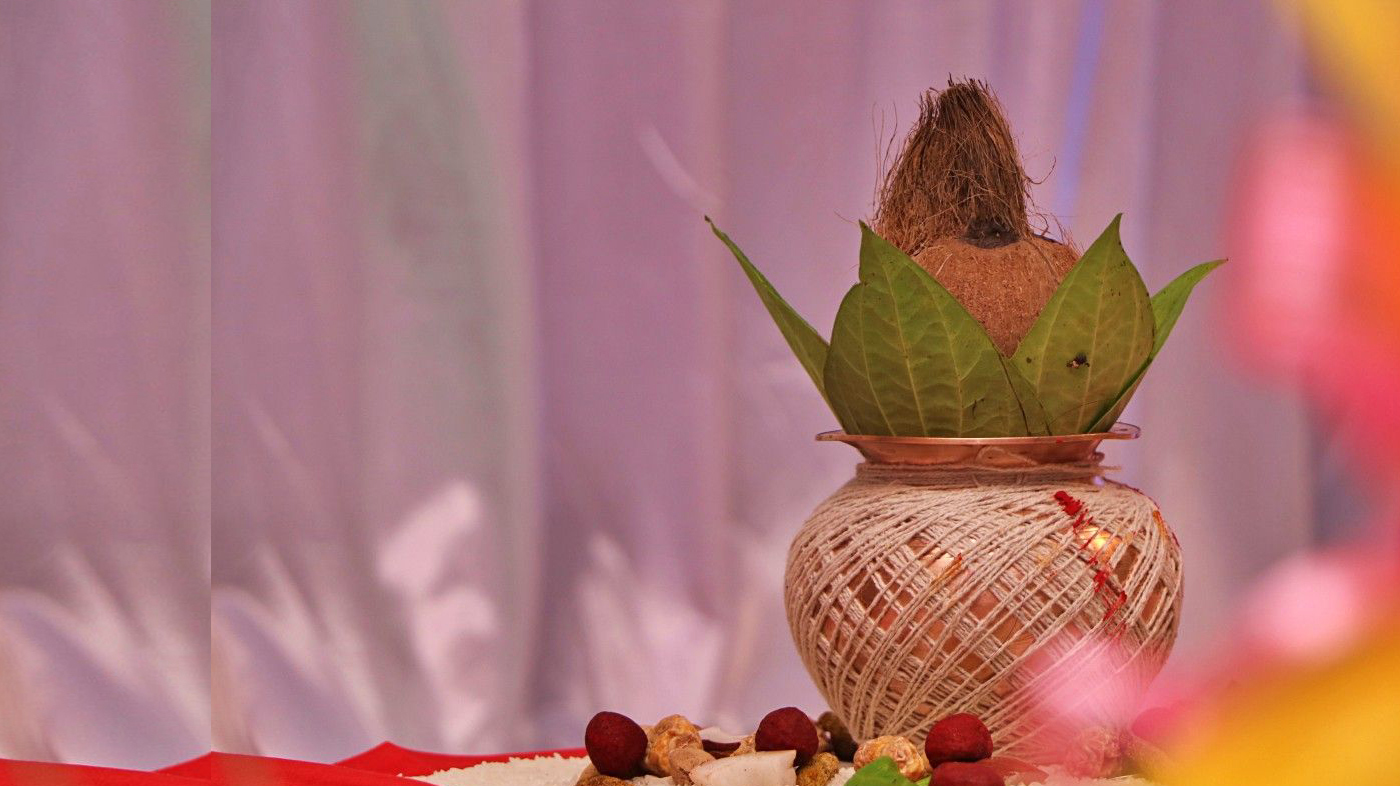
- Creative pottery from https://wildrobinuk.uk transforms living spaces with unique handcrafted pieces
- The Art of Wheel Throwing and Hand Building
- Glazing and Surface Decoration: Bringing Color and Texture to Life
- The Role of Pottery in Modern Interior Design
- Beyond Aesthetics: The Sustainable Appeal of Handmade Pottery
- The Future of Ceramics and the Role of Independent Studios
Creative pottery from https://wildrobinuk.uk transforms living spaces with unique handcrafted pieces
The allure of handcrafted ceramics is undeniable, a testament to the enduring human desire for beauty created by hand. In a world increasingly dominated by mass production, the appeal of unique, one-of-a-kind pieces has grown exponentially. People are actively seeking items that possess character, tell a story, and offer a connection to the artisan who created them. This trend has led to a flourishing market for independent potters and studios, and among these, https://wildrobinuk.uk stands out as a beacon of creativity and exceptional craftsmanship. Their commitment to quality and artistic vision transforms ordinary living spaces into personalized galleries of functional art.
From rustic mugs to intricate vases, the pieces offered by Wild Robin UK aren't merely objects; they’re expressions of artistry. They infuse homes with a sense of warmth and individuality, offering a refreshing alternative to the uniformity of commercially produced items. This dedication to artistry isn't just about aesthetics; it's also about sustainability and supporting independent creators. Investing in handmade pottery is a conscious choice, a step away from fast consumption and towards valuing skill, time, and artistry. It's about creating a home filled with objects that truly resonate with your personal style and values.
The Art of Wheel Throwing and Hand Building
The foundation of exceptional pottery lies in the mastery of fundamental techniques. Wheel throwing, a process that has been refined for centuries, involves shaping clay on a spinning wheel to create symmetrical forms. This requires not only physical skill but also a deep understanding of clay’s properties and a delicate touch to achieve the desired shape and thickness. The process isn’t instantaneous; it’s a dialogue between the potter and the clay, a constant adjustment of pressure and speed to guide the material into its final form. Hand building, on the other hand, offers a more freeform approach, allowing for a greater range of textures and organic shapes. Techniques like pinching, coiling, and slab building enable potters to create pieces that are truly unique, pushing the boundaries of traditional pottery forms.
Wild Robin UK demonstrates a strong command of both wheel throwing and hand building, resulting in a diverse collection of pieces. Their skill is evident in the smooth curves of their bowls and vases, as well as the textured surfaces of their more experimental pieces. The ability to seamlessly blend these two techniques allows for a remarkable versatility in design, resulting in work that feels both intentional and effortless. It’s clear that each piece isn’t simply made, but rather carefully considered and brought to life through a process of exploration and refinement. The attention to detail, from the careful centering of the clay on the wheel to the precise placement of a handle, is a hallmark of their dedication to quality.
| Wheel Throwing | Shaping clay on a spinning wheel to create symmetrical forms. |
| Hand Building | Creating pottery forms using hands and simple tools, without a wheel. |
Beyond the technical aspects, the choice of clay body is also crucial. Different clays possess different characteristics—some are more porous, others more durable, and still others lend themselves to specific types of glazes. Wild Robin UK thoughtfully selects clay bodies that complement their designs and enhance the overall quality of their work, ensuring that each piece is not only beautiful but also functional and long-lasting.
Glazing and Surface Decoration: Bringing Color and Texture to Life
Once a piece is formed, the glazing process begins, transforming a dull clay surface into a vibrant work of art. Glazes are essentially a thin coating of glass that fuses to the clay during firing, adding color, texture, and durability. The possibilities are virtually endless, ranging from simple, understated washes to complex layered effects. Different glazes require different firing temperatures and atmospheric conditions, adding another layer of complexity to the pottery process. Achieving consistent results with glazes is a skill that takes years to master, requiring a deep understanding of chemical interactions and the effects of heat. The application of glaze can also be a form of artistic expression in itself, with potters using brushes, sponges, and other tools to create unique patterns and designs.
Wild Robin UK showcases a sophisticated understanding of glazing techniques, employing a wide range of colors and finishes. Their glazes often exhibit subtle variations and unexpected effects, adding depth and visual interest to their pieces. These aren’t simply applied coats; they are intentional layers of color and texture that elevate the work to another level. The use of both traditional and contemporary glaze formulas demonstrates a willingness to experiment and push the boundaries of conventional pottery aesthetics. They also explore different surface decoration techniques, such as carving, stamping, and slip trailing, to add further dimension and detail to their creations.
- Carving intricate designs into the clay before firing.
- Applying slip (liquid clay) for contrasting colors and textures.
- Using stamps to create repeating patterns.
- Experimenting with different firing techniques to achieve unique glaze effects.
The interplay between form and surface decoration is what truly sets exceptional pottery apart. A beautifully formed vessel can be further enhanced by a thoughtfully applied glaze, while a complex surface design can add visual interest to a more simple form. Wild Robin UK consistently demonstrates this balance, creating pieces that are both aesthetically pleasing and technically proficient. Their attention to detail ensures that every aspect of the piece contributes to the overall harmony and beauty.
The Role of Pottery in Modern Interior Design
Pottery has experienced a significant resurgence in popularity, becoming a key element in contemporary interior design. It’s no longer relegated to purely functional roles; instead, it’s embraced as a form of artistic expression, a way to add personality and warmth to any space. Whether displayed as a centerpiece on a dining table, showcased on a shelf, or used as a functional object in the kitchen, pottery can instantly elevate the aesthetic of a room. The handmade quality of these pieces adds a layer of authenticity and character that mass-produced items simply can’t replicate. This trend reflects a broader shift towards valuing craftsmanship and investing in pieces that are made to last.
The versatility of pottery allows it to seamlessly integrate into a variety of design styles, from minimalist and modern to rustic and bohemian. A simple, unglazed vase can complement a sleek, contemporary space, while a brightly colored ceramic bowl can add a pop of personality to a more traditional setting. The texture and organic forms of pottery provide a welcome contrast to the clean lines and smooth surfaces often found in modern interiors. Furthermore, the unique imperfections inherent in handmade pottery—slight variations in shape, glaze, or color—add to its charm and authenticity.
- Choose pieces that complement your existing color palette and design style.
- Consider the functionality of the piece and how it will be used.
- Don’t be afraid to mix and match different textures and patterns.
- Invest in pieces that you truly love and that resonate with your personal aesthetic.
Wild Robin UK’s pieces, with their distinct character and attention to detail, are perfectly positioned to enhance a wide range of interior schemes. Their designs aren’t trend-driven; they are timeless and classic, capable of adapting to evolving tastes and styles. They offer a unique opportunity to create a truly personalized space, one that reflects your individual creativity and appreciation for artistry.
Beyond Aesthetics: The Sustainable Appeal of Handmade Pottery
In an era of increasing environmental awareness, the sustainable practices of handmade pottery are gaining prominence. Unlike mass-produced ceramics, which often rely on energy-intensive manufacturing processes and contribute to landfill waste, handmade pottery offers a more eco-friendly alternative. Independent potters like those at https://wildrobinuk.uk often prioritize locally sourced materials, minimizing transportation costs and reducing their carbon footprint. The smaller scale of production also allows for greater control over waste management and resource usage. Moreover, the durability of handmade pottery means that pieces are less likely to be discarded quickly, promoting a more sustainable approach to consumption.
Choosing handmade pottery is a conscious decision that supports small businesses and independent artisans, fostering a more equitable and sustainable economic system. It’s a way to invest in local communities and preserve traditional crafts. The artistry and skill involved in creating each piece are also valuable assets, contributing to a rich cultural heritage. By supporting these artisans, we are not only acquiring beautiful objects but also helping to ensure the continuation of a vital art form. This commitment to sustainability extends beyond the materials and processes used; it also encompasses a broader philosophy of mindful consumption and appreciation for the handmade.
The Future of Ceramics and the Role of Independent Studios
The future of ceramics is bright, fueled by a growing appreciation for craftsmanship and a desire for more authentic and sustainable products. Independent studios like Wild Robin UK are at the forefront of this movement, pushing creative boundaries and challenging conventional notions of what pottery can be. The rise of social media has played a significant role in connecting these artisans with a wider audience, allowing them to showcase their work and build a loyal following. Online platforms and craft fairs provide opportunities for direct interaction between potters and customers, fostering a sense of community and appreciation. This direct connection allows for greater transparency and a deeper understanding of the creative process.
Looking ahead, we can expect to see even more innovation in ceramic design, with potters experimenting with new materials, techniques, and forms. The integration of technology, such as 3D printing and digital glaze design, will further expand the possibilities for creative expression. However, the core values of craftsmanship, sustainability, and artistic vision will remain central to the ethos of the ceramics community. Wild Robin UK, with its dedication to quality and unique aesthetic, exemplifies the potential of independent studios to shape the future of this timeless art form. The enduring appeal of handmade pottery lies in its ability to connect us to the past, enrich our present, and inspire our future.